2025 - Women Caregiver

Invisible Care

After the bell rings, someone stays behind.

Someone cleans the table, answers the message, packs the lunch, translates the form, remembers the appointment, and notices when everyone else is tired.

This section is dedicated to women caregivers whose labor is often hidden inside the language of love. Their care holds families together, but it can also cost them time, rest, ambition, and identity. By documenting these quiet forms of labor, After Ring Studio hopes to make care visible—not as something natural or expected from women, but as work that deserves attention, respect, and memory.

Real Life Stories

Edited by Evelyn Tan
Ravina Persaud:医生预约与游泳课之间

Ravina Persaud lives in Jamaica, Queens, with her husband, their two young daughters, and her aging parents. Her father has Parkinson’s disease. In one day, Ravina may need to think about his appointments and medication, her daughters’ homework and swimming lessons, and her own work.
Ravina works in the senior care industry, yet she has still struggled to obtain appropriate services for her father. Knowing how the system works has not made its paperwork and delays disappear. Her father’s wish to remain independent also matters: receiving help can be difficult for the person being cared for, as well as the family arranging it.
The family sees something valuable in living together. The girls spend time with their grandparents. But that closeness takes work that is easy for outsiders to miss. Ravina’s story shows the sandwich generation in the ordinary details of a calendar: two generations need her attention on the same afternoon.

Ravina Persaud 和丈夫、两个年幼的女儿,以及年迈的父母住在纽约皇后区的 Jamaica。她的父亲患有帕金森病。同一天里,她可能要操心父亲的看诊和用药、女儿们的作业和游泳课,还要完成自己的工作。

Ravina 本人就在老年照护行业工作,却仍然难以为父亲申请到合适的服务。了解这个系统,并不会让繁复的手续和等待自动消失。父亲希望保持独立,也同样重要:接受帮助对被照顾的人来说,有时和家人安排帮助一样困难。

一家人也珍惜同住带来的亲近:两个女孩能够和祖父母一起生活。但这种亲近背后有外人不容易看见的劳动。Ravina 的故事把“三明治一代”落在一张普通的日程表上:同一个下午,上下两代人都需要她。

Shaista Kazmi:找不到懂母亲语言的照护者

In 2014, Shaista Kazmi was raising three young children while her father developed a serious neurological condition and her mother-in-law came to live with her from India. She looked for home care. The services she contacted could help with some daily tasks, but they could not easily meet her mother-in-law’s needs around language and familiar food.

A friend eventually helped Shaista find a caregiver who could speak with her mother-in-law and prepare food she recognized. That solution gave Shaista help at home, but it also exposed a larger gap. She had spent time searching, explaining, and coordinating while trying to care for two households and her children.

Shaista later left her job and founded a care agency intended to serve families whose cultural needs were often overlooked. Her story shows that caregiving includes more than doing tasks with your hands. Someone also has to find the right help and make sure an older person is understood.

2014年,Shaista Kazmi 正在抚养三个年幼的孩子。与此同时,她的父亲患上严重的神经系统疾病,婆婆也从印度搬来和她同住。Shaista 开始寻找上门照护服务。她联系的机构能够完成一些日常照护工作,却很难满足婆婆在语言和熟悉的食物方面的需要。

后来,一位朋友帮她找到一名能够和婆婆交流、也会做她熟悉的饭菜的照护者。Shaista 终于得到了帮助,但这次经历也让她看见更大的缺口:在照顾两个家庭和三个孩子的同时,她还得不断寻找资源、解释需求、协调安排。

此后,Shaista 离开原来的工作,创办了一家希望服务这类家庭的照护机构。她的故事提醒我,照护不只有亲手做的事。还必须有人找到合适的帮助,确保老人能够被听懂。

Mary Ellen McCartney:提醒儿子接外公

Mary Ellen McCartney cared first for her father and later for her mother, who developed dementia. At times, caring for her parents took more than 25 hours a week. She also worked and kept up with her children’s activities, sometimes waking at four in the morning to fit everything into the day.

One memory captures her place between generations. Her teenage son was going to pick up his grandfather from dialysis. He had recently installed a subwoofer in his car and loved playing his music. Mary Ellen set a reminder to tell him to turn the volume down before Grandpa got in. She later identified that moment as one when she recognized herself as part of the sandwich generation.

It is a small incident, but it shows how much she held in mind. She was helping her father get home, giving her son a responsibility, and considering how the ride would feel for both of them.

Mary Ellen McCartney 先照顾父亲,后来又照顾患上失智症的母亲。有些时候,照顾父母每周会占去她二十五个小时以上。她还要工作、跟上孩子们的活动,有时凌晨四点就得起床,才能把一天的事情安排进去。

她讲过一个很能说明自己处境的小事。十几岁的儿子要去接刚做完透析的外公。他最近在车里装了低音炮,正喜欢开着音乐听。Mary Ellen 特地设了提醒,要告诉儿子:外公上车前记得把音量关小。她后来把这个瞬间看作自己意识到身处“三明治一代”的时刻。

事情很小,却能看出她脑中同时装着多少事。她要让父亲顺利回家,要让儿子承担责任,还要替两个人考虑这趟车坐起来会是什么感受。

Liz Hodge:照顾一位关系曾经紧张的母亲

Liz Hodge is a single mother in Kentucky. She has a child to raise while helping care for her mother, Linda, whose Alzheimer’s disease has advanced. After Linda could no longer manage everyday tasks safely, Liz and her siblings had to make difficult decisions about her care. They discovered that Linda had named Liz as her guardian, even though the two had once had a strained relationship.

That history did not disappear when Liz became a caregiver. She spoke publicly about trying to care for her mother while also processing painful memories from her own childhood. At the same time, she described finding a different connection with Linda as the illness changed their relationship.

Liz’s story matters because caregiving is sometimes presented as a simple expression of gratitude. For her, it also involved grief, old hurt, paid work, parenting, and decisions about expensive long-term care. She could love her mother and still find the responsibility difficult.

Liz Hodge 是肯塔基州的一位单亲妈妈。她一边抚养孩子,一边参与照顾患有晚期阿尔茨海默病的母亲 Linda。当 Linda 已无法安全地完成日常事务时,Liz 和兄弟姐妹必须为她的照护作出艰难决定。他们发现,Linda 指定 Liz 做自己的监护人,尽管母女两人的关系曾经紧张。

Liz 成为照护者后,那段过去并没有消失。她公开谈到,自己一边照顾母亲,一边还在处理童年留下的痛苦记忆。与此同时,她也说,随着疾病改变母女关系,她们建立起了另一种连接。

Liz 的故事重要,因为人们有时把照顾父母讲成一件单纯出于感恩的事。对她而言,其中还包括悲伤、旧伤、工作、养育孩子,以及昂贵的长期照护决定。她可以爱母亲,也可以觉得这份责任很难承担。

Melissa:家里总得有人留下

Melissa and her partner Jeremy are raising their thirteen-year-old daughter while caring for Melissa’s father, Don. Don has advanced dementia and needs help with meals, hygiene, and other daily needs throughout the day and night. Their daughter has also begun helping her grandfather.

The family’s plans now depend on who can stay home with Don. In a public television interview, they described how rarely all three of them had been able to go out together over more than a year. They had also spent money adapting their home, including a wheelchair ramp and stair lift.

Melissa described the unsettling change in her relationship with her father: she now had to take on tasks he could no longer do for himself. Her story shows how care changes a whole household, including a child’s routines and a couple’s time together. Love may be why a family takes on the work; it does not create extra hours in the day.

Melissa 和伴侣 Jeremy 一边抚养十三岁的女儿,一边照顾 Melissa 的父亲 Don。Don 患有晚期失智症,白天和夜里都需要有人帮助他吃饭、清洁身体,完成其他日常事务。他们的女儿也开始帮忙照顾外公。

现在,全家的出行都取决于谁能留下来陪 Don。接受公共电视台采访时,他们说,在一年多的时间里,一家三口能一起出门的次数很少。他们还花钱改造房子,装了轮椅坡道和楼梯升降设备。

Melissa 谈到自己与父亲关系中令人不安的变化:如今,她必须承担许多父亲已无法自己完成的事。她的故事说明,照护会改变整个家庭,包括孩子的日常安排,也包括伴侣相处的时间。爱也许是家人接下这份工作的原因,但爱不会让一天多出几个小时。

Research Paper about Woman Caregiver

by Evelyn Tan
“Sandwich Generation”

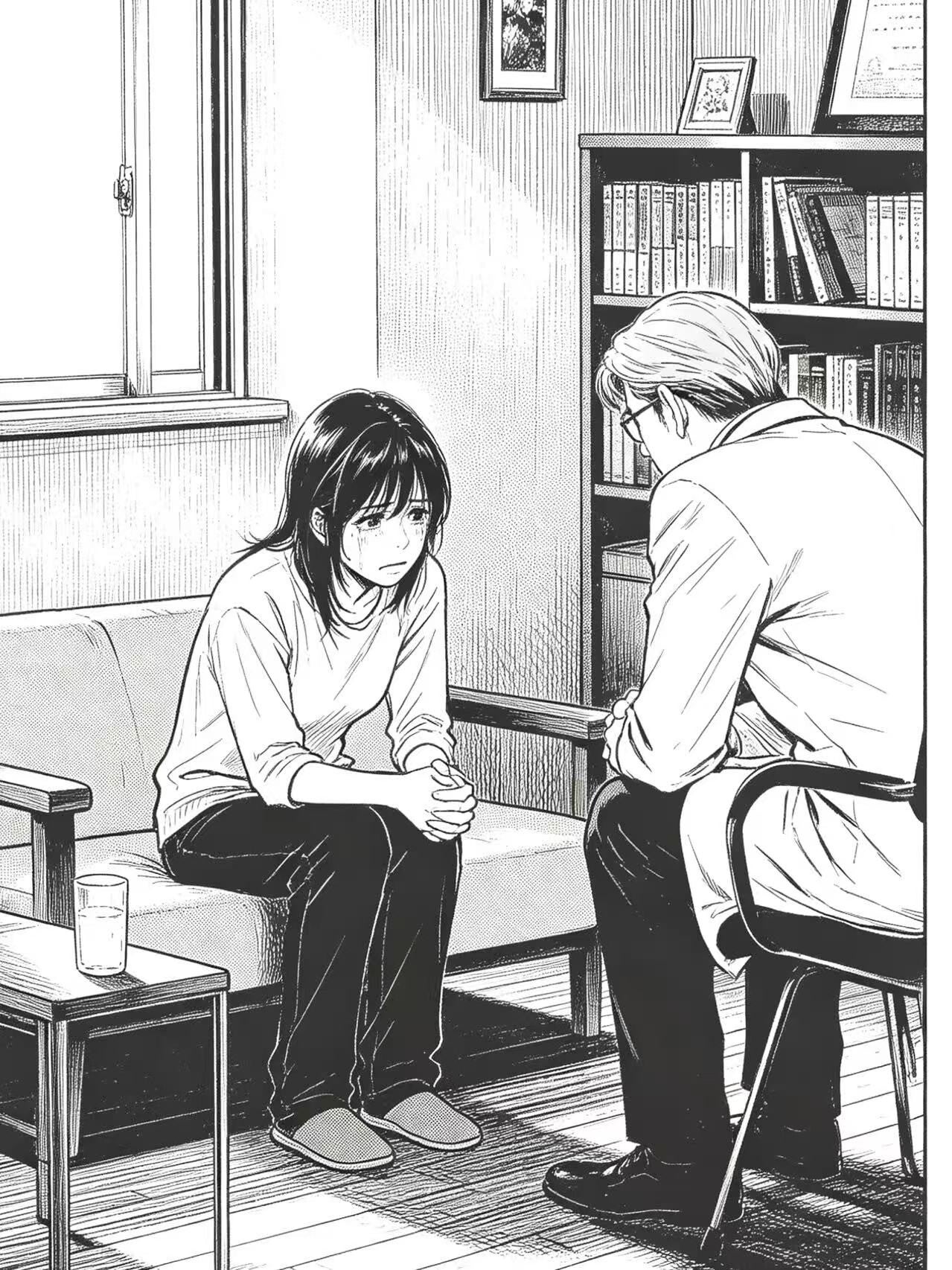
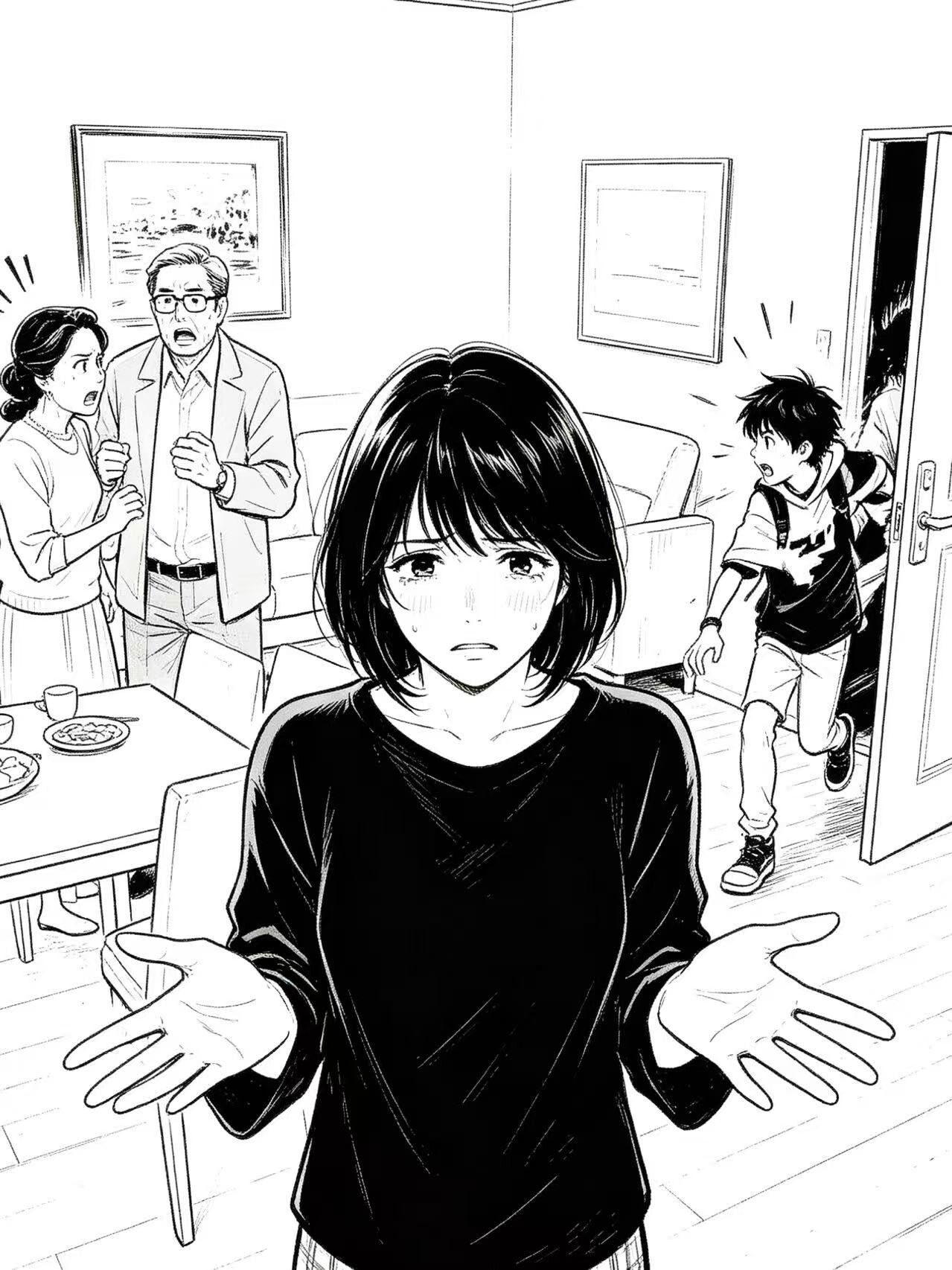
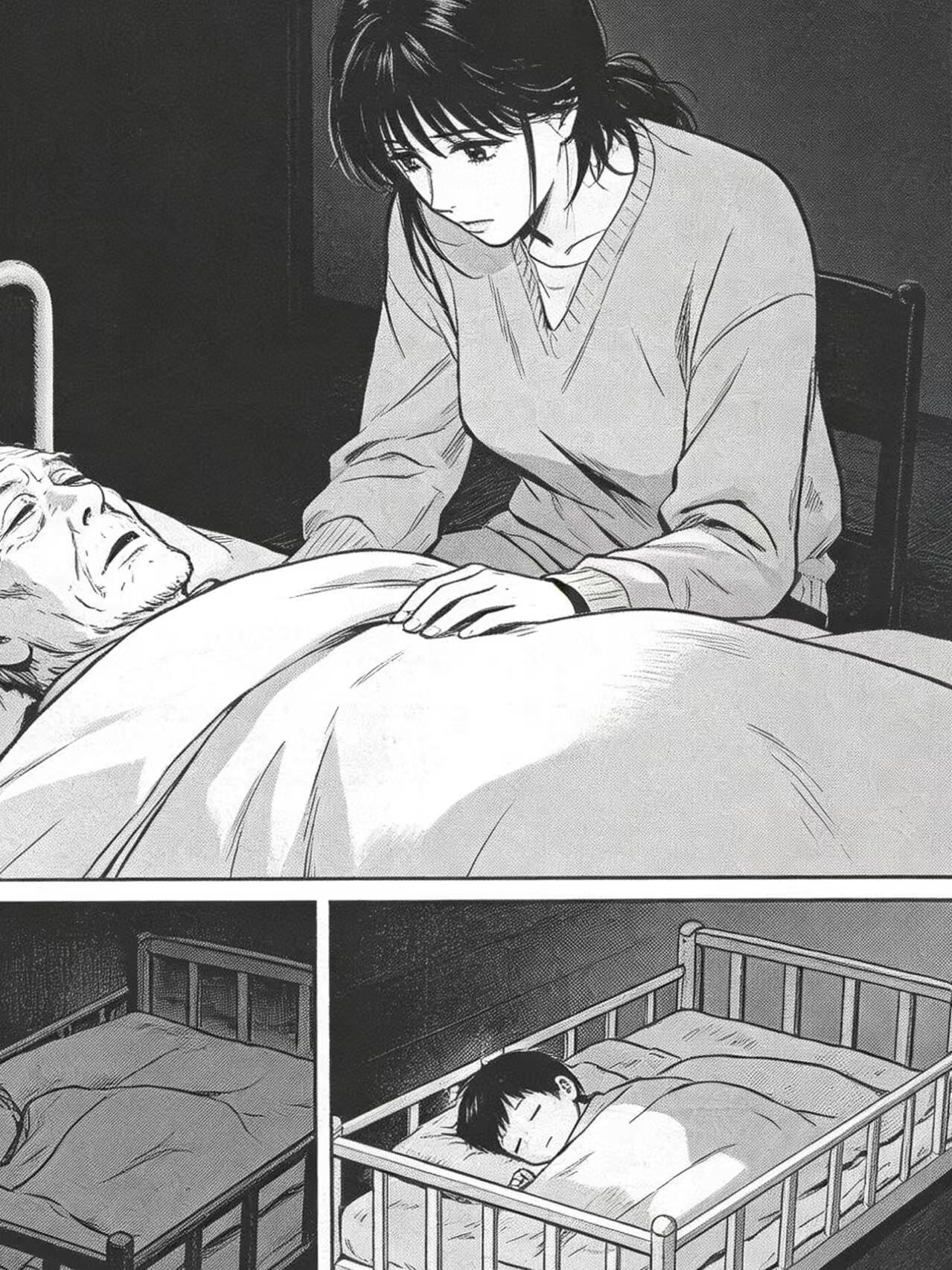
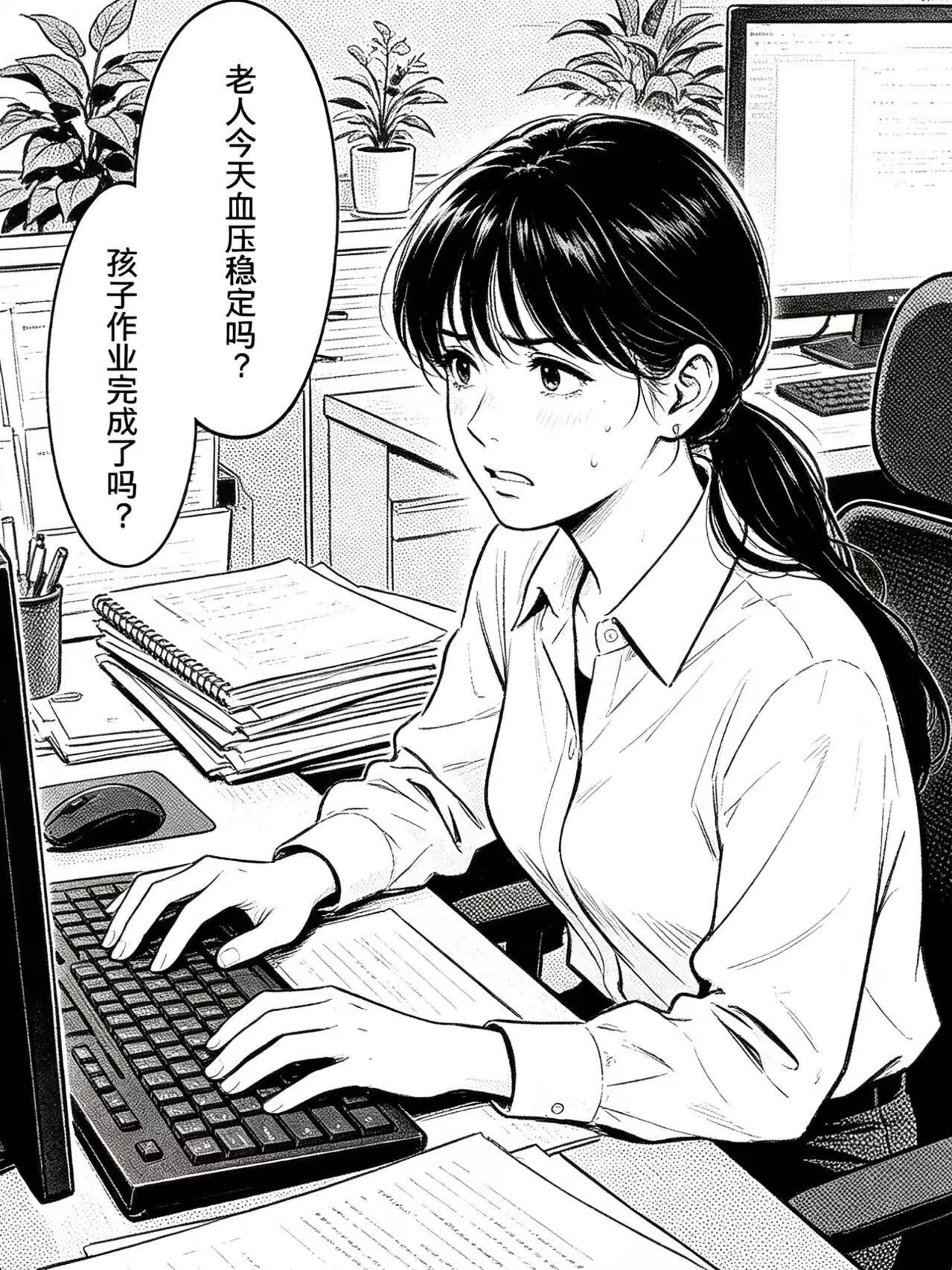
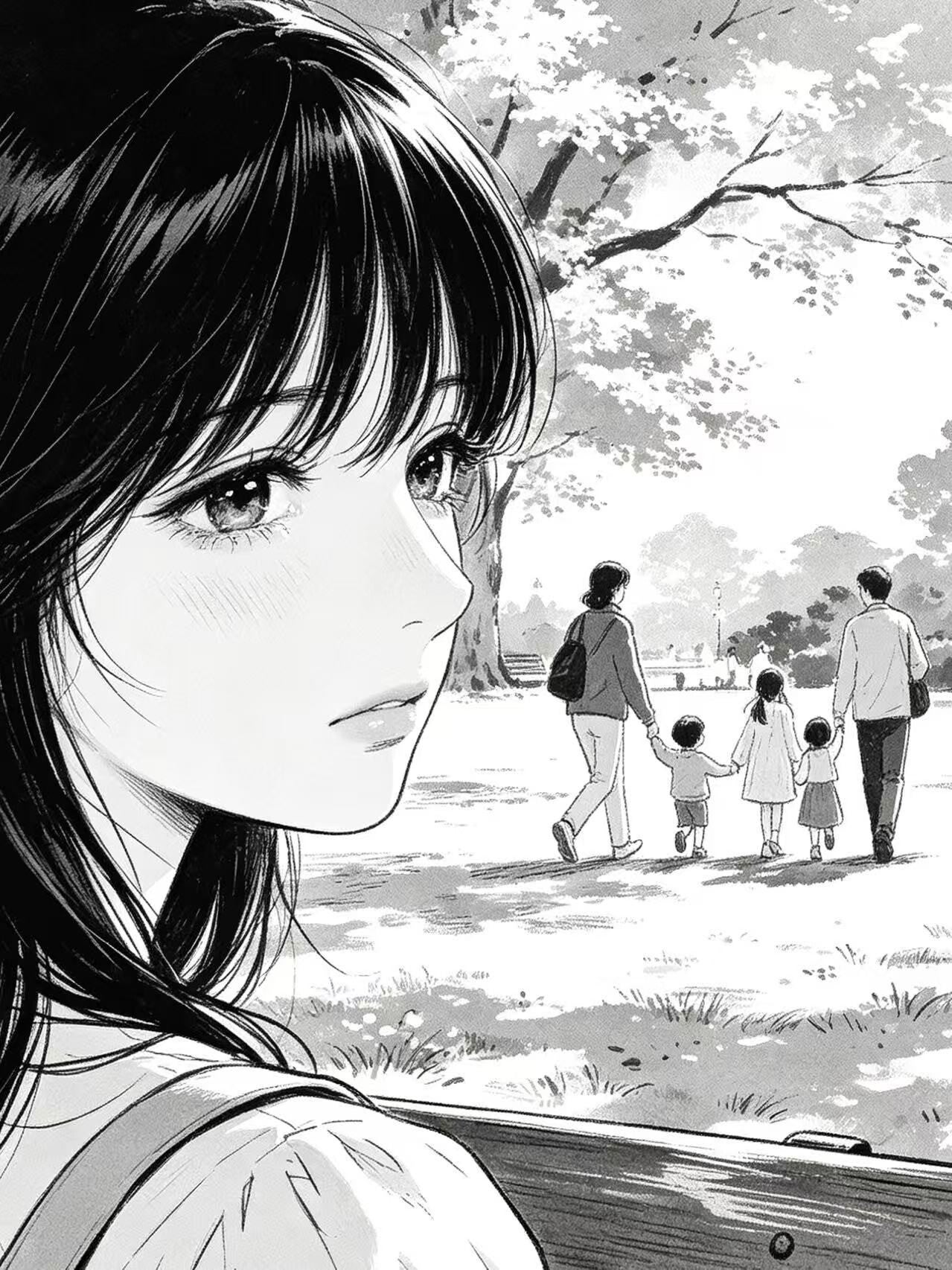
Sandwich generation women often carry the needs of two generations at the same time. They may care for aging parents while also raising children, managing schoolwork, medical appointments, meals, finances, and emotional support for the whole family. Their labor is often treated as natural because they are women, mothers, daughters, or wives, but this expectation can create deep pressure. Many of them live between responsibility and exhaustion: they want to care for the people they love, yet they may have little time to rest, pursue their own goals, or take care of their own mental health. Their struggle is not only physical work, but also the invisible emotional burden of always noticing, remembering, planning, and staying strong for everyone else.
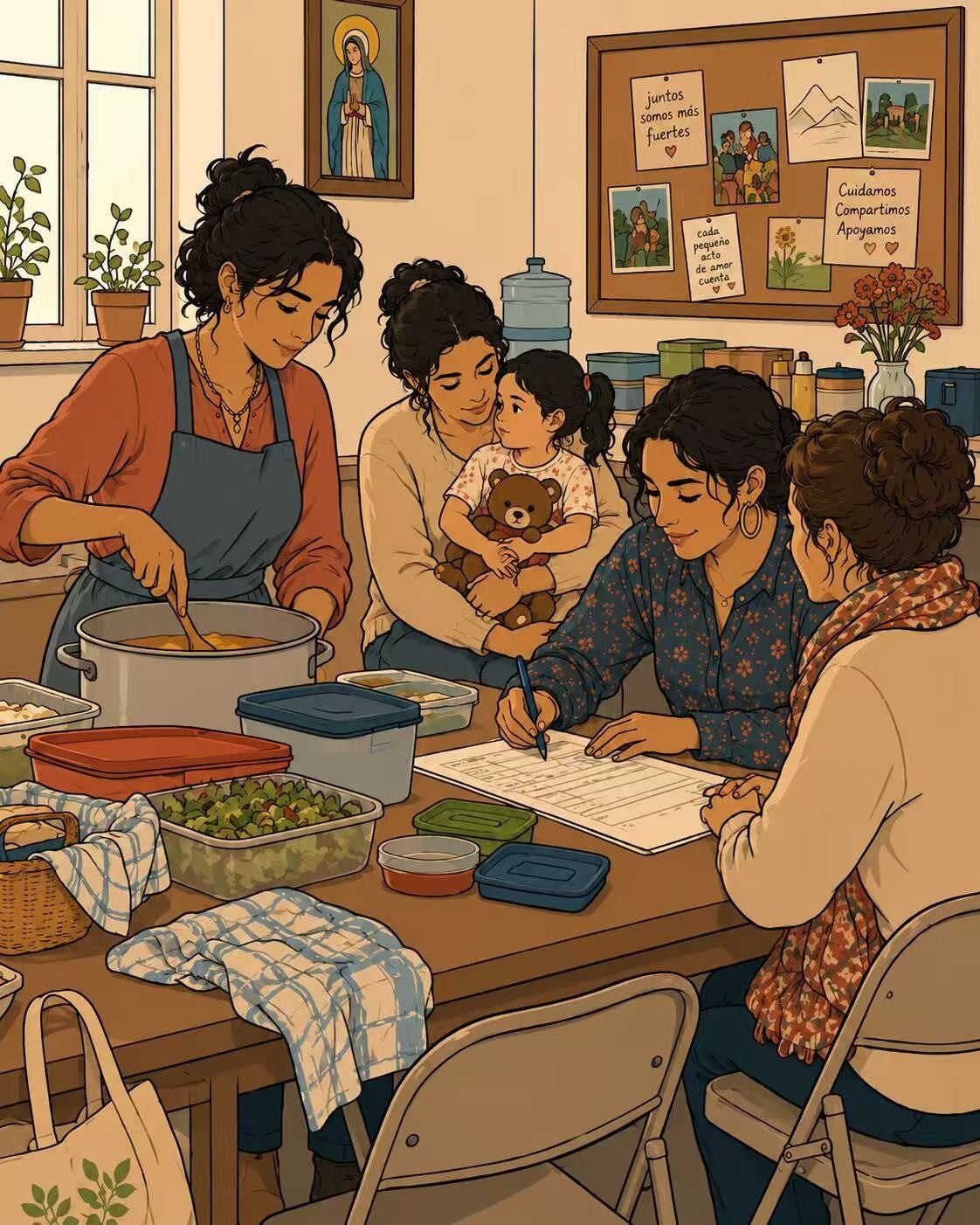
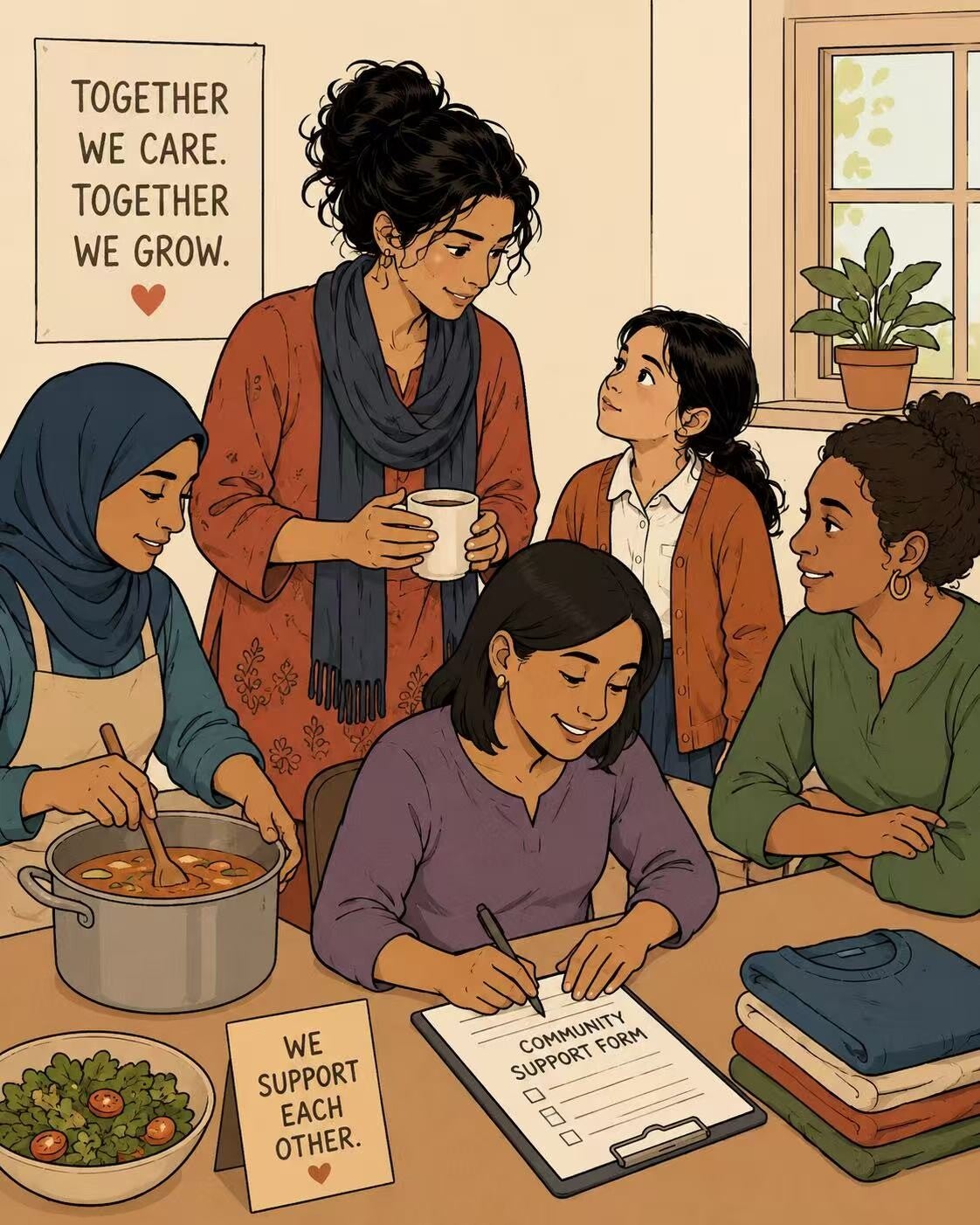
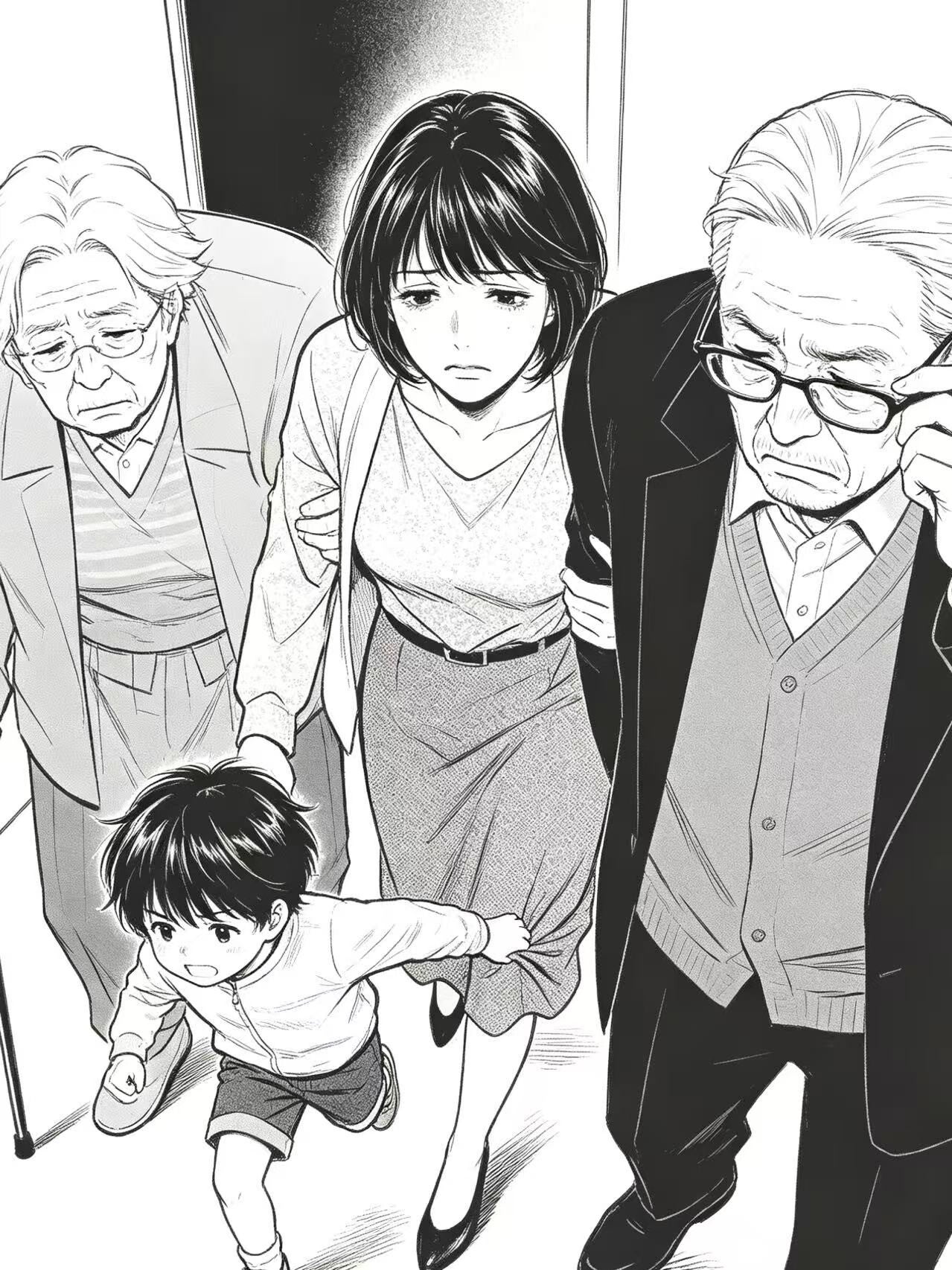
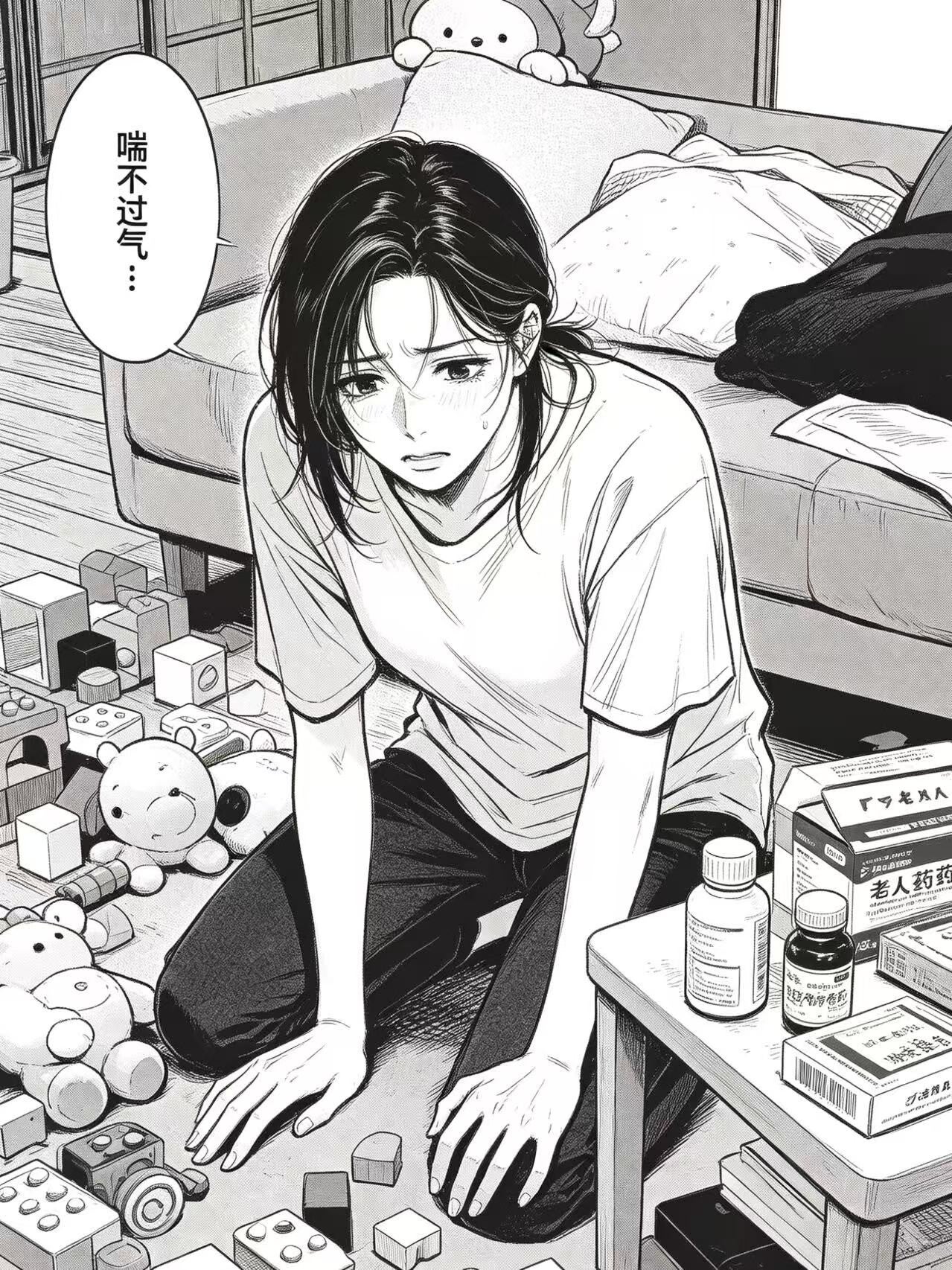
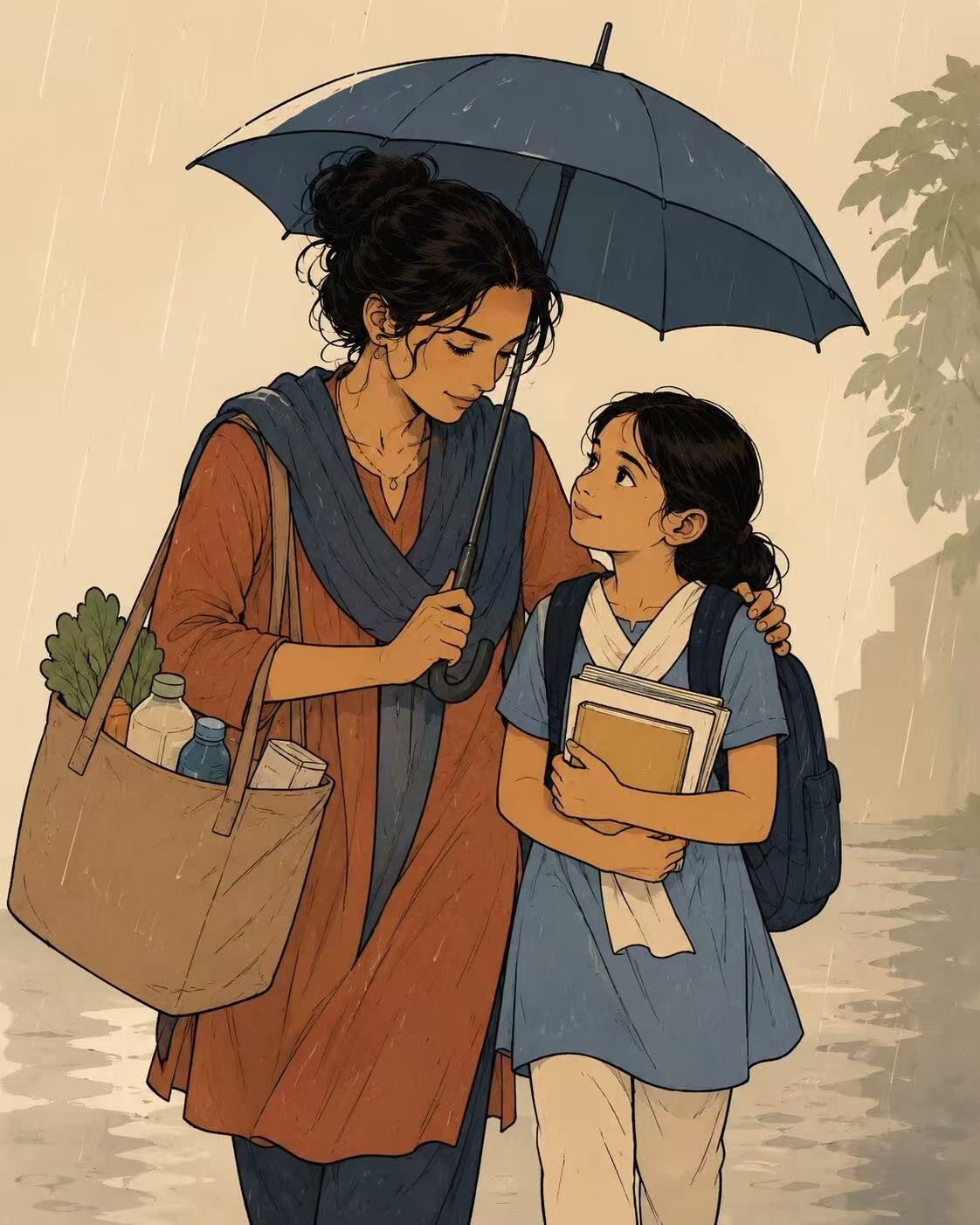
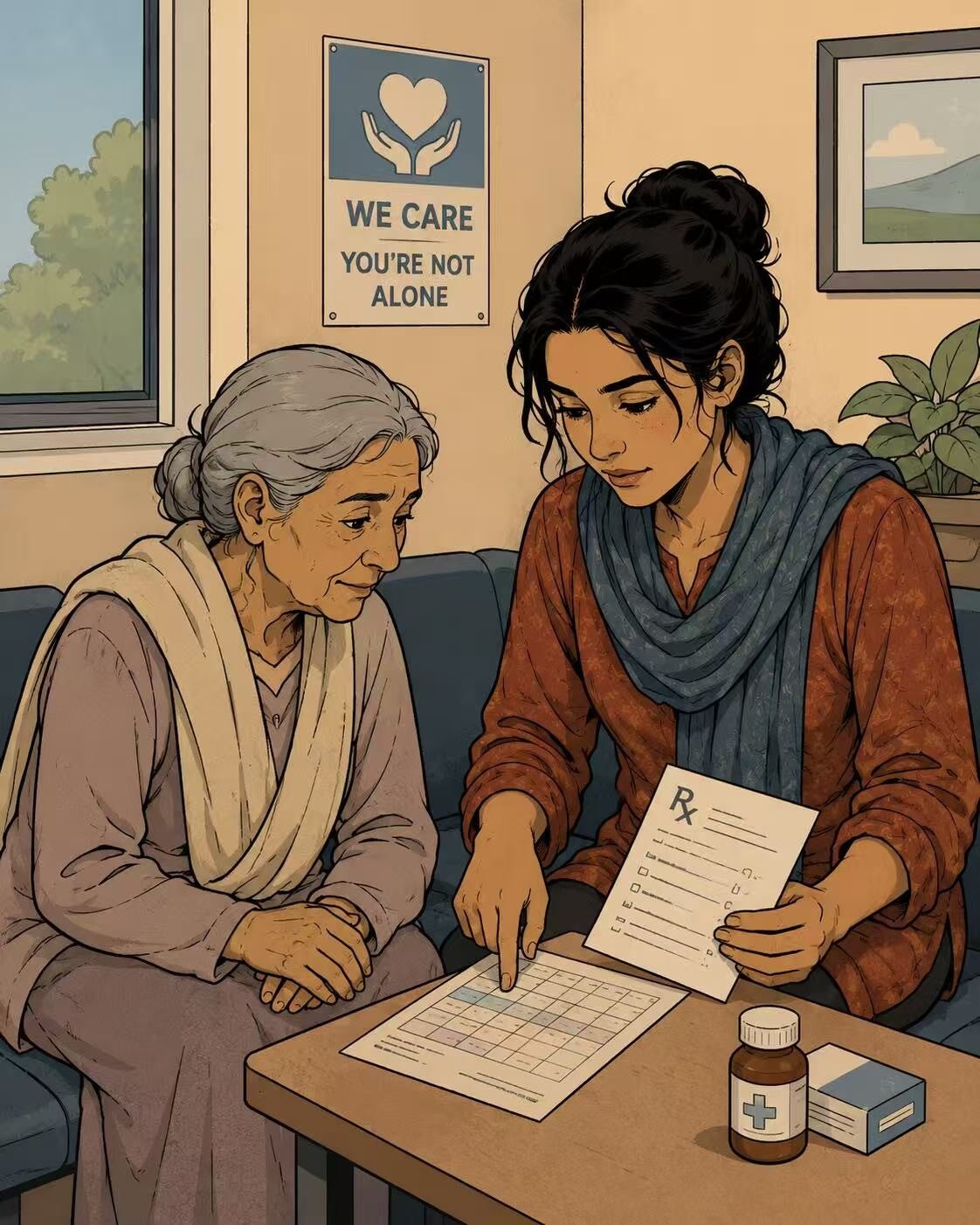
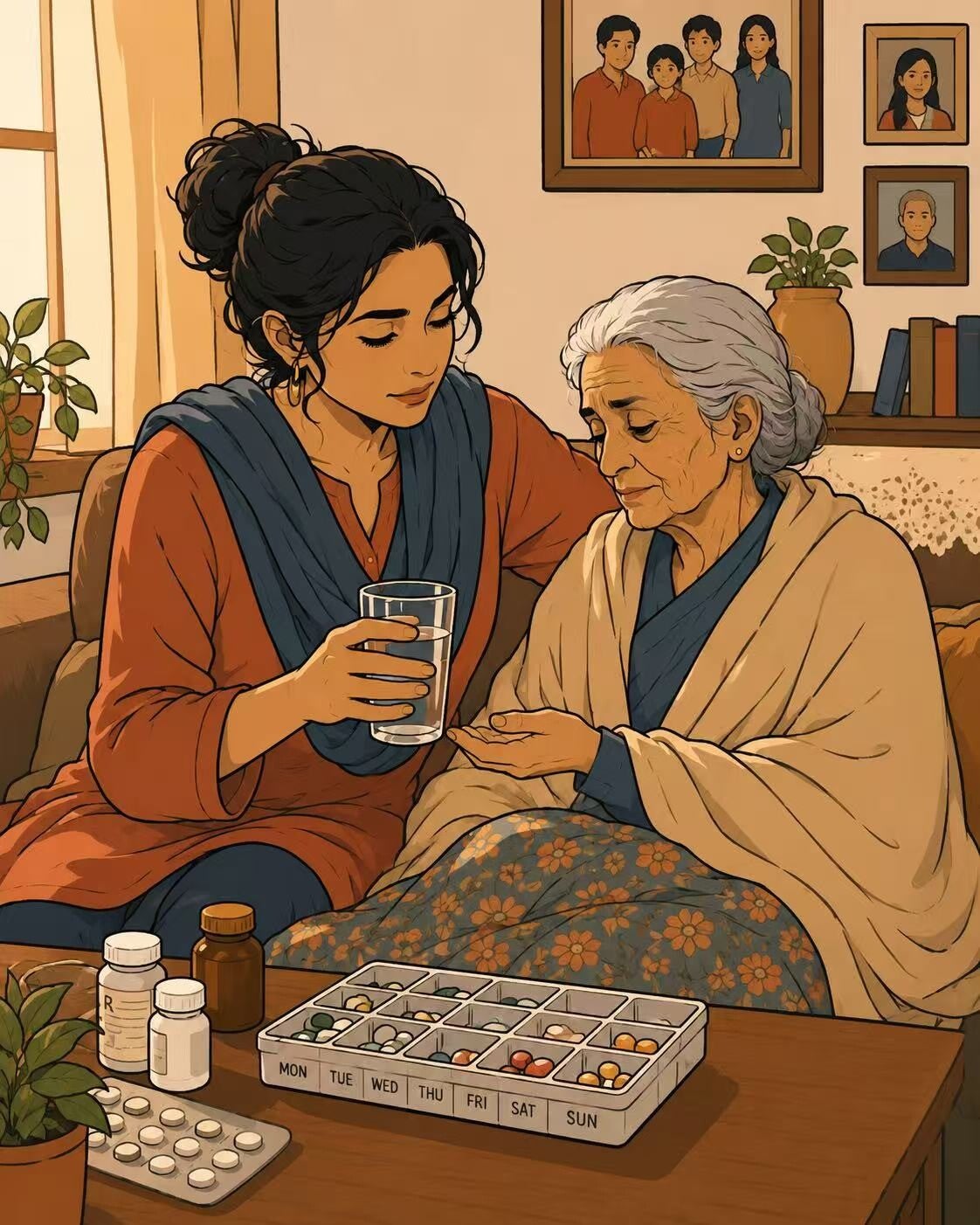
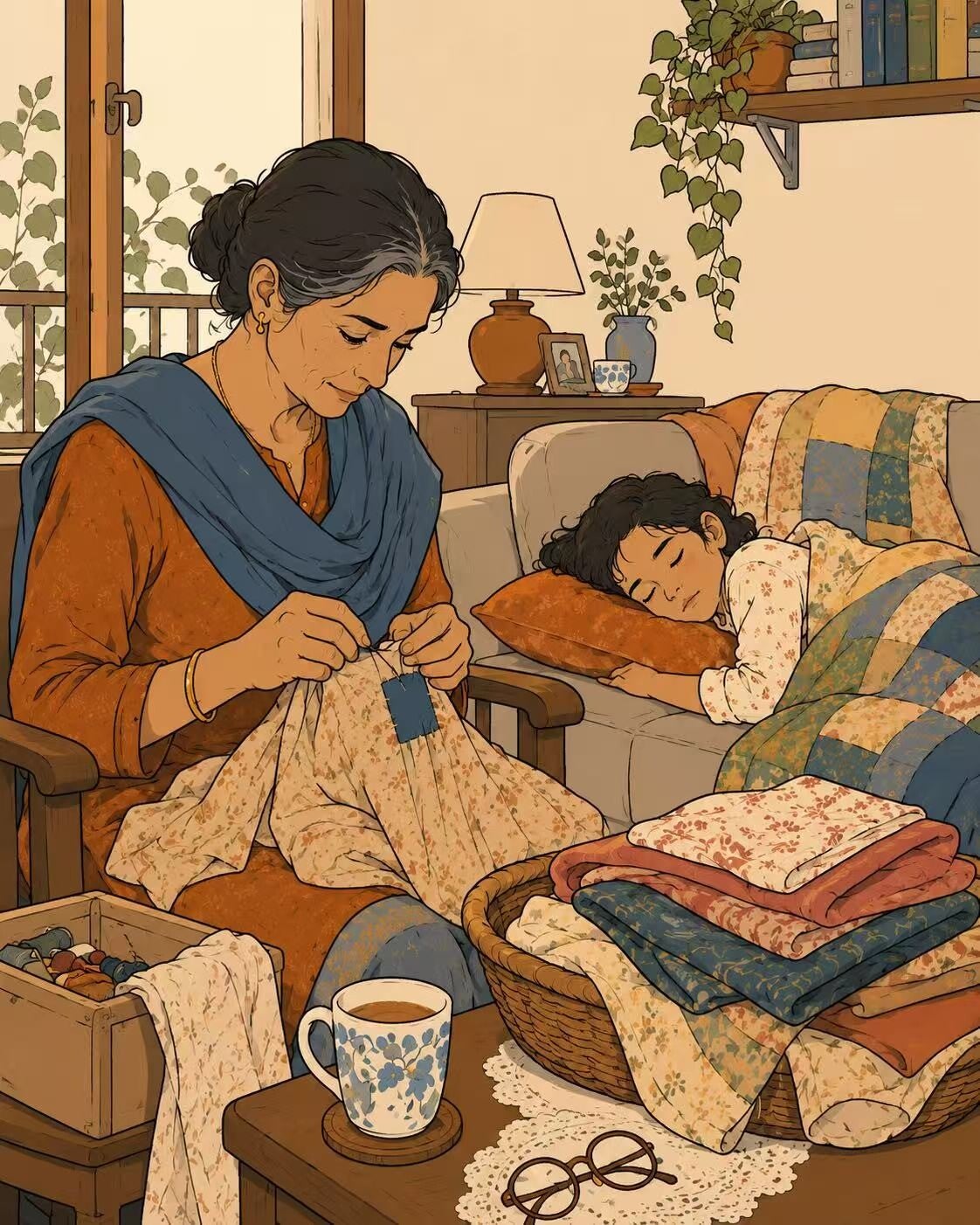
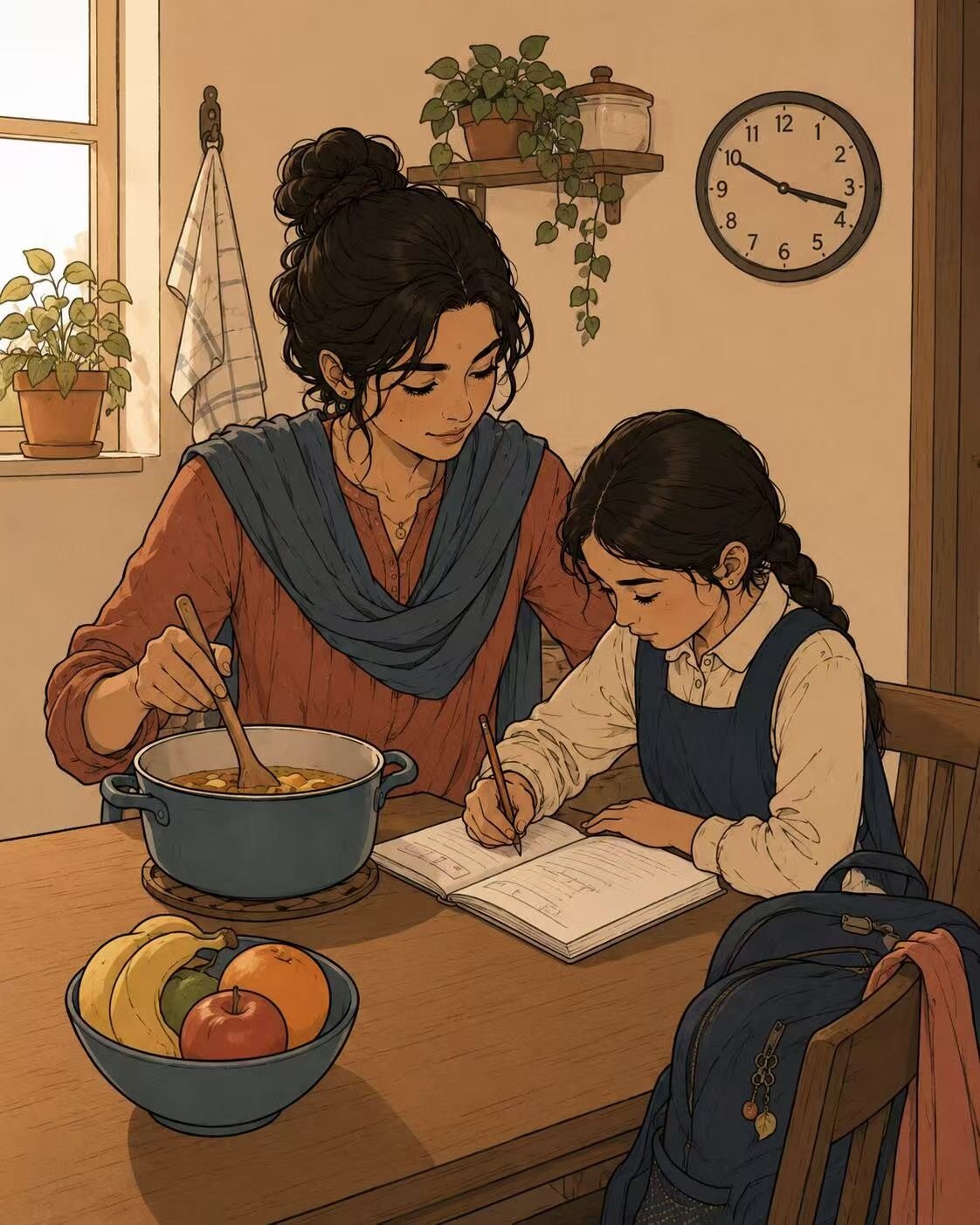
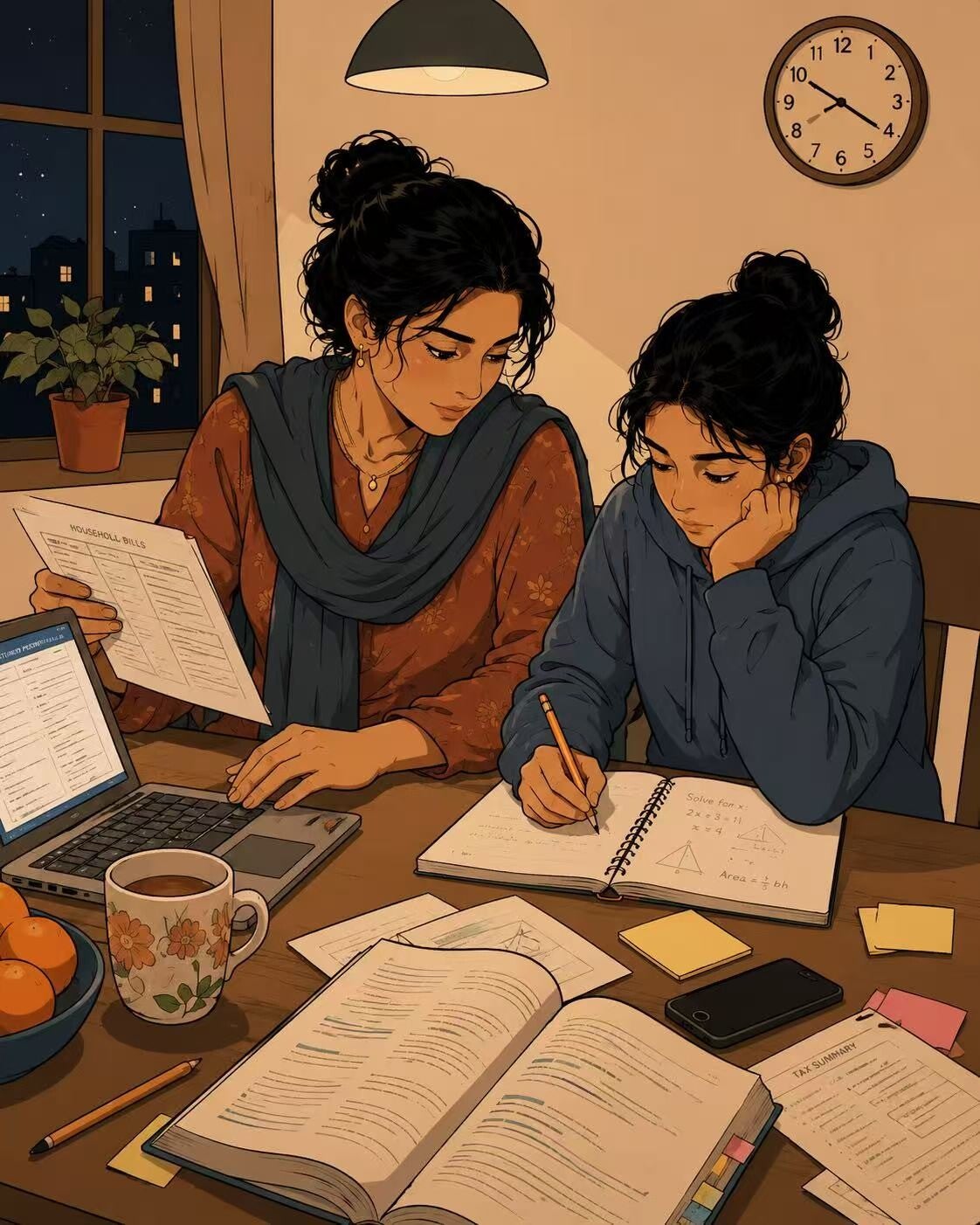
This visual series portrays women caregivers in everyday moments of care: preparing meals, helping with homework, managing medicine, waiting in clinics, walking through rain, and supporting one another in community spaces. Through a simple comic style and warm colors, the images highlight how care often happens quietly, through repeated small actions that hold families and communities together.